Commercial Asphalt Sealing vs. Resurfacing: What’s the Difference
Commercial asphalt sealing helps protect and extend the life of your pavement, and local contractors can advise on whether sealing or resurfacing best suits your needs.
Understanding the differences between commercial asphalt sealing and resurfacing is essential for property owners looking to maintain or improve their paved surfaces. Whether managing a parking lot, driveway, or other asphalt areas, knowing which service best suits specific needs can help make informed decisions. Property owners in the area may explore this topic to evaluate options for extending the lifespan of their asphalt, enhancing curb appeal, or preventing costly repairs down the line. As you read further, you'll discover how local contractors specializing in commercial asphalt sealing can provide tailored solutions to keep asphalt surfaces in top condition.
Choosing between sealing and resurfacing often depends on the current state of the asphalt and the goals for the property. Commercial asphalt sealing is typically a maintenance step that protects existing pavement from wear and weather damage, while resurfacing involves removing the old surface and applying a new layer for more extensive repairs. Local service providers can assess your specific situation and recommend the most practical approach, ensuring your property remains safe and attractive. Keep exploring to learn more about how these services differ and how experienced contractors can support your property's asphalt needs.
- Parking lot sealing - property owners may need commercial asphalt sealing to protect existing pavement from weather and wear, with local contractors applying a protective coating to extend its lifespan.
- Driveway sealing - businesses seeking to maintain their asphalt surfaces often opt for sealing to prevent cracking and deterioration, with local service providers ensuring an even, durable finish.
- Industrial lot sealing - large commercial or industrial areas require sealing to preserve their asphalt surfaces against heavy traffic, with local pros using specialized equipment for efficient application.
- Walkway sealing - commercial properties may need sealing for pedestrian pathways to improve appearance and durability, with local contractors providing precise and clean application.
- Surface restoration prep - before resurfacing, some clients choose sealing to stabilize the existing asphalt, and local pros can assess whether sealing is suitable or if resurfacing is necessary.
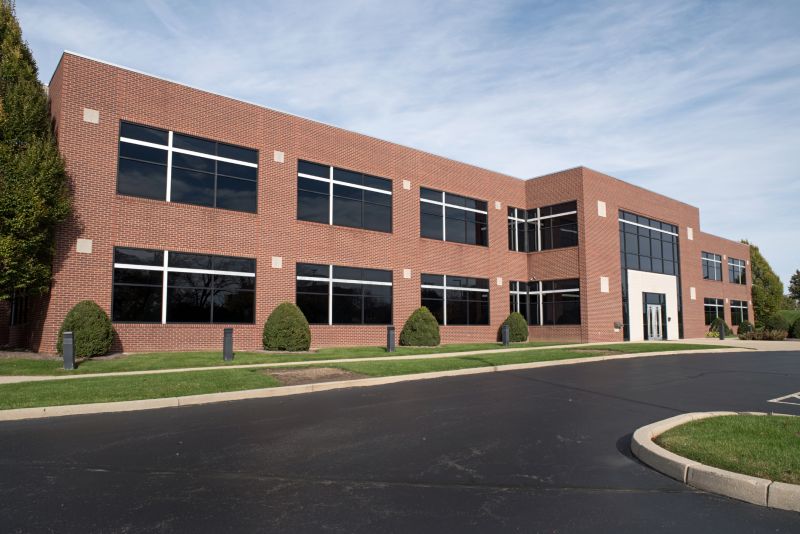
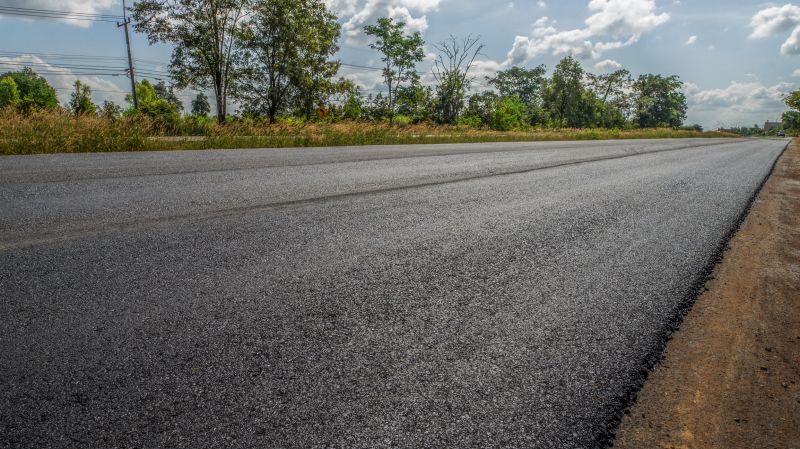
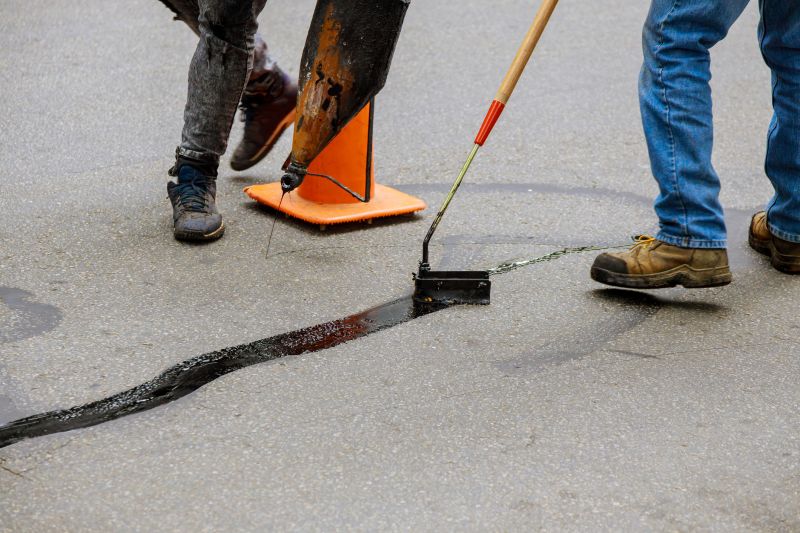
When homeowners or property managers search for information about commercial asphalt sealing versus resurfacing, they are often trying to determine the best way to maintain or improve the condition of their parking lots, driveways, or other paved surfaces. Typically, the goal is to extend the lifespan of the asphalt, improve appearance, and ensure safety for vehicles and pedestrians. These searches usually relate to projects involving asphalt that has become worn, cracked, or faded over time. Understanding the difference helps property owners decide whether a simple protective coating or a more extensive repair is needed, especially when planning maintenance or upgrades for commercial properties like retail centers, office complexes, or industrial sites.
The main concern with commercial asphalt sealing versus resurfacing revolves around the current state of the pavement and the desired outcome. Asphalt that is still structurally sound but showing signs of surface deterioration-such as minor cracks, fading, or surface oxidation-may benefit from sealing. This process involves applying a protective coating that helps prevent water penetration, reduces oxidation, and enhances appearance. On the other hand, if the asphalt has extensive cracking, potholes, or significant structural damage, resurfacing might be necessary. Resurfacing involves removing the top layer of asphalt and applying a new layer, effectively restoring the surface’s integrity and appearance. Property owners often seek guidance on which option best suits their needs, especially when they want to avoid unnecessary repairs or ensure long-term durability.
The types of properties that typically come up in discussions about commercial asphalt sealing and resurfacing include parking lots for retail stores, office parks, industrial facilities, and apartment complexes. These properties often see high traffic volumes, which accelerate surface wear. Asphalt surfaces on these properties are critical for safety and accessibility, making timely maintenance essential. Commercial properties usually have larger paved areas, so choosing between sealing and resurfacing can significantly impact overall maintenance costs and the lifespan of the pavement. Local service providers specializing in asphalt work can assess the condition of these properties and recommend the most suitable approach based on the current state of the asphalt and the property's specific needs.
Understanding the difference between commercial asphalt sealing and resurfacing helps property owners make informed decisions about their pavement maintenance plans. Sealing is generally a less invasive and more cost-effective way to protect and extend the life of an asphalt surface that is still in relatively good condition. Resurfacing, however, is better suited for asphalt that has suffered more extensive damage and requires a more thorough repair. Local asphalt contractors can evaluate properties, identify the extent of wear or damage, and recommend the appropriate service. This ensures that property owners can maintain safe, attractive, and durable paved surfaces, whether through protective sealing or complete resurfacing.
Parking Lot Striping - this project involves planning and precise application, similar to sealing and resurfacing, requiring knowledge of surface preparation and material handling.
Driveway Repairs - addressing cracks and surface damage shares skills with sealing and resurfacing, as both require surface assessment and surface-level work.
Asphalt Paving - installing new asphalt surfaces involves planning and surface preparation skills akin to resurfacing projects, with an emphasis on proper material application.
Concrete Resurfacing - this work involves surface preparation and finishing techniques comparable to asphalt resurfacing, with a focus on surface adhesion and durability.
Sealcoat Application - applying sealcoat requires surface cleaning and preparation similar to sealing projects, emphasizing surface protection and longevity.
Pothole Repair - fixing potholes involves surface assessment and repair techniques that align with sealing and resurfacing, ensuring proper surface restoration.
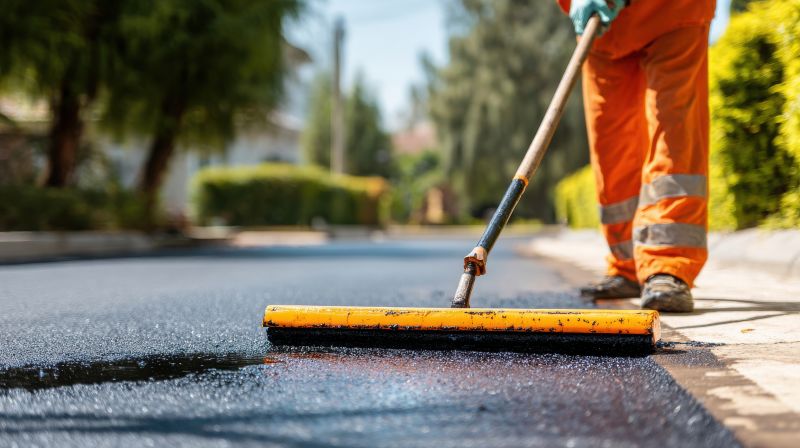
When comparing service providers for commercial asphalt sealing, it is important to consider their experience with similar projects. Homeowners should seek out local contractors who have a proven track record of completing commercial sealing jobs comparable in size and scope. An experienced professional will understand the specific requirements of sealing a commercial property, such as surface preparation, weather considerations, and the appropriate materials to use. Verifying their background with previous clients or references can provide insight into their ability to deliver quality work and handle the unique challenges that may arise during sealing projects.
Clear and detailed written expectations are essential when evaluating local contractors for commercial asphalt sealing services. A reputable service provider should be able to explain their process, the materials they plan to use, and the scope of work in understandable terms. Homeowners should look for providers who offer comprehensive estimates and are willing to answer questions about the steps involved and the expected results. This clarity helps ensure that all parties have aligned expectations, reducing the risk of misunderstandings or surprises once the project is underway.
Good communication and reputable references are key indicators of a dependable contractor. Homeowners can ask potential service providers for references from previous commercial sealing projects to gauge their reliability and professionalism. Additionally, a contractor who is responsive to inquiries and transparent about their process demonstrates a commitment to client satisfaction. Choosing a local contractor with positive references and clear communication can help ensure the project proceeds smoothly and meets the specific needs of the property, providing confidence in the decision to invest in commercial asphalt sealing services.
Property owners often search for commercial asphalt sealing vs. resurfacing: what’s the difference when they are planning practical projects around their homes and businesses. Local pros provide Commercial Asphalt Sealing services for everyday jobs and straightforward project options.
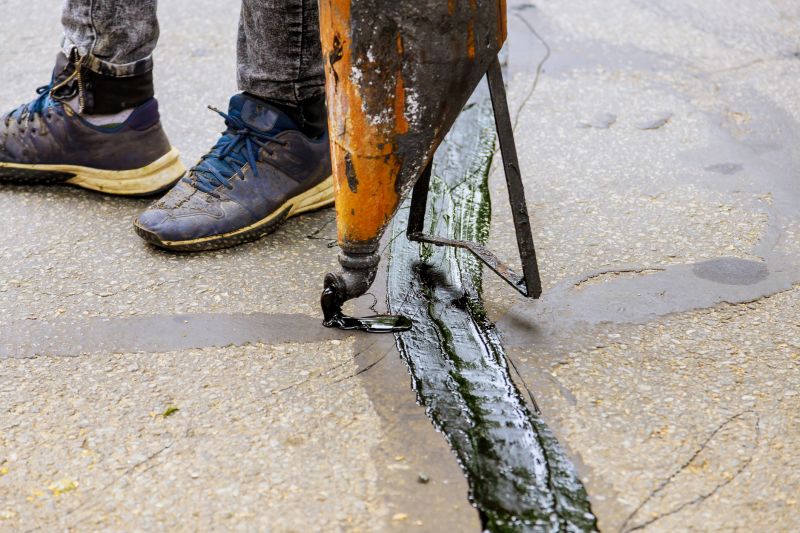
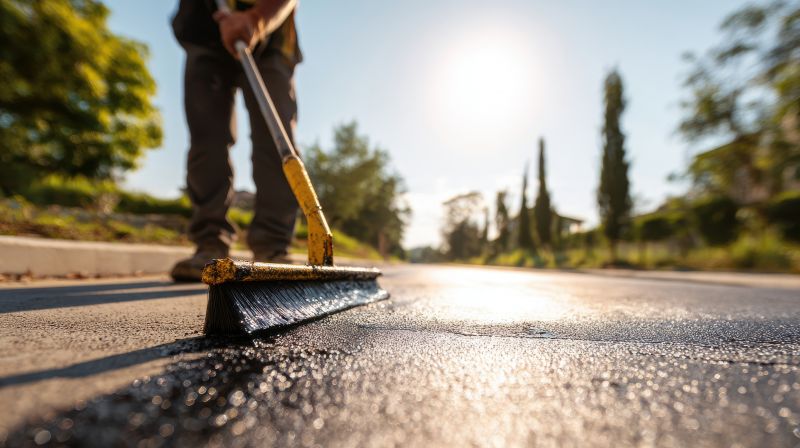
Understanding the differences between commercial asphalt sealing and resurfacing is a common concern for property owners managing parking lots, driveways, or other paved areas. When considering maintenance or upgrades, many seek simple explanations to determine whether sealing the existing asphalt or opting for a complete resurfacing is the right choice. Commercial asphalt sealing involves applying a protective coating over the current surface, helping to prevent cracks, water infiltration, and surface deterioration. This process is often selected for routine upkeep or minor repairs, making it a straightforward way to extend the life of an asphalt surface without major disruption.
On the other hand, resurfacing involves removing the top layer of asphalt and laying down a new surface, which is typically recommended when the existing pavement has significant damage or extensive wear. Property owners might look into this option if cracks, potholes, or surface roughness are widespread and sealing alone won't address underlying issues. Local service providers who specialize in asphalt work can evaluate the condition of a surface and recommend whether commercial asphalt sealing or resurfacing best suits the project’s needs, ensuring the pavement remains durable and functional for years to come.
What is the main difference between commercial asphalt sealing and resurfacing? Commercial asphalt sealing involves applying a protective coating to extend the life of the existing pavement, while resurfacing removes the top layer and replaces it to restore a smooth, new surface. Local contractors can help determine which option best suits the condition of the asphalt.
When should a property owner consider sealing asphalt instead of resurfacing? Sealing is typically recommended for asphalt that is in good condition but needs protection from weather and wear, whereas resurfacing is suitable for asphalt with significant damage or deterioration. Local service providers can assess the pavement's condition to advise on the appropriate service.
Can sealing be done on asphalt that has existing cracks or minor damage? Yes, sealing can often be performed on asphalt with minor cracks or surface imperfections, provided they are properly repaired beforehand. Local pros can evaluate the pavement and perform necessary repairs prior to sealing.
Is resurfacing a more invasive process compared to sealing? Resurfacing involves removing and replacing the top layer of asphalt, making it more invasive than sealing, which is a surface treatment. Local contractors can explain the scope of each service based on the pavement's condition.
How do local asphalt service providers determine whether sealing or resurfacing is needed? They assess the pavement's current state, including surface wear, cracking, and underlying issues, to recommend the most effective solution for long-term durability and appearance. Consulting with local pros ensures the right choice is made for specific needs.
Understanding project needs - Property owners can evaluate whether their asphalt surface requires sealing to protect against wear or resurfacing to address significant damage, guiding them to suitable services offered by local contractors.
Assessing surface condition - By inspecting cracks, potholes, or surface roughness, property owners can determine if sealing is enough or if resurfacing is necessary, with local pros providing expert assessments.
Choosing the right approach - Knowing the difference between commercial asphalt sealing vs. resurfacing helps property owners decide which service will best extend the lifespan of their pavement, with guidance from local service providers.
Planning maintenance strategies - Incorporating regular sealing or scheduling resurfacing as part of a long-term pavement care plan allows property owners to maintain a safe and functional surface, with assistance from local contractors.
If you are thinking about commercial asphalt sealing vs. resurfacing: what’s the difference for a property, this guide is meant to help you understand this topic, the typical project types, and how different options might fit your plans.
When you are ready, you can use the quote form on this page to share a few details about your project. From there, local pros can review the basics and follow up with options that match what you have in mind.